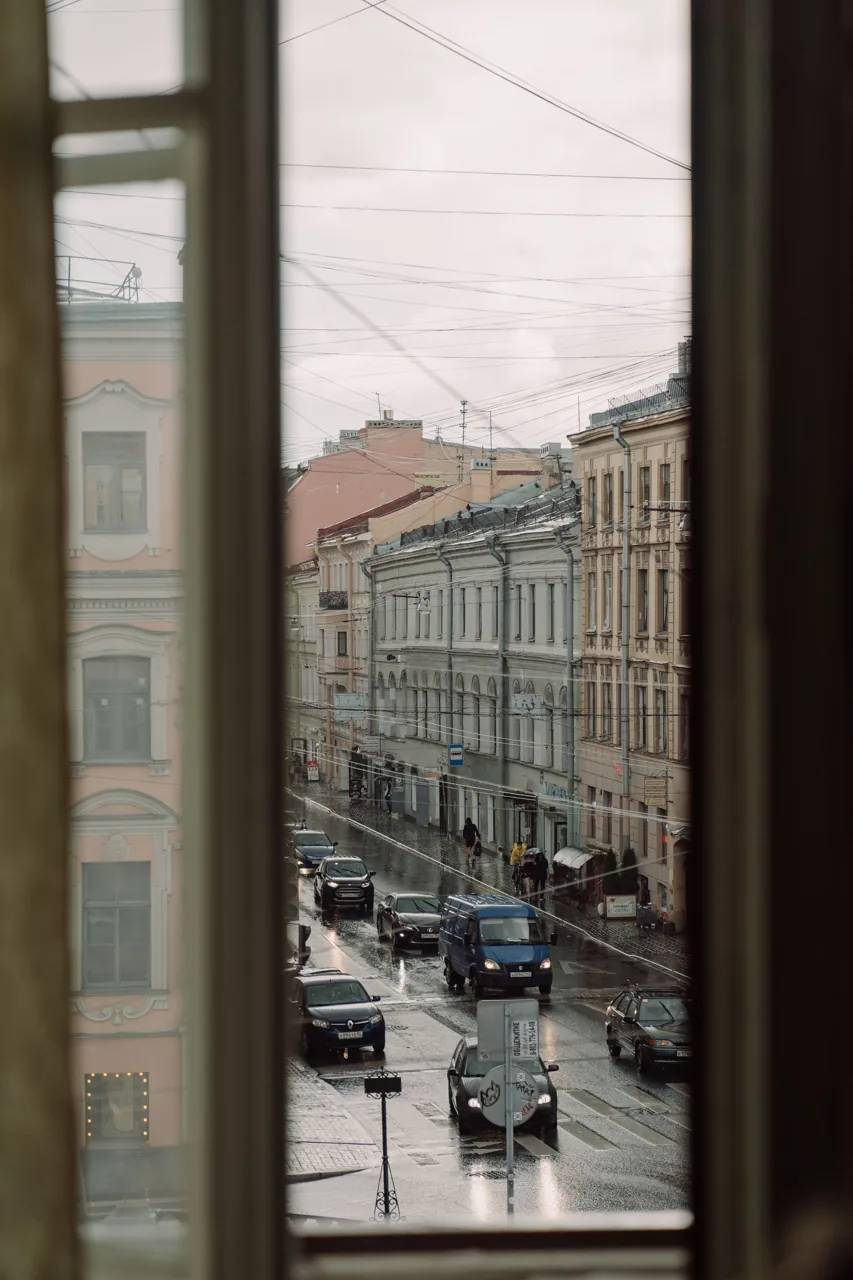
A city in the low season shows you a truer version of itself — and lets you have it almost to yourself.
There is a particular pleasure in visiting a famous city when nobody else wants to be there. In February, with the crowds gone and the light low, a place that heaves in summer becomes calm, affordable and somehow more honest. I have come to plan many of my city breaks for exactly the months everyone else avoids, and I would not go back to fighting the July queues for anything.
The crowds simply vanish
The single best reason to travel off-season is space. The gallery you would have queued an hour for is half empty; the square that is impassable in August has room to breathe. You can get a table without booking, a hotel room at half the price, and a photograph without a hundred strangers in it. Cities were not built for the crush of peak-season tourism, and out of season you finally see them at the scale they were meant to be seen.
Weather is a feature, not a bug
Yes, it might rain. But a rainy city is an excuse to do the things summer travellers skip: linger in a warm café watching the drops run down the glass, spend a whole afternoon in a museum without guilt, duck into a bookshop and lose track of time. Bring a good coat and the weather stops being an obstacle and becomes part of the mood. Some cities are frankly better in the drizzle — moodier, cosier, more themselves.
A warmer welcome
The quiet secret of off-season travel is that people are simply kinder when they are not overwhelmed. The waiter has time to chat, the shopkeeper remembers your face, the guide is not on their tenth tour of the day. Locals reclaim their own city in the low season, and as a visitor you get swept up in that gentler rhythm. Fewer crowds, lower prices and a warmer welcome — I struggle to see the downside.
●