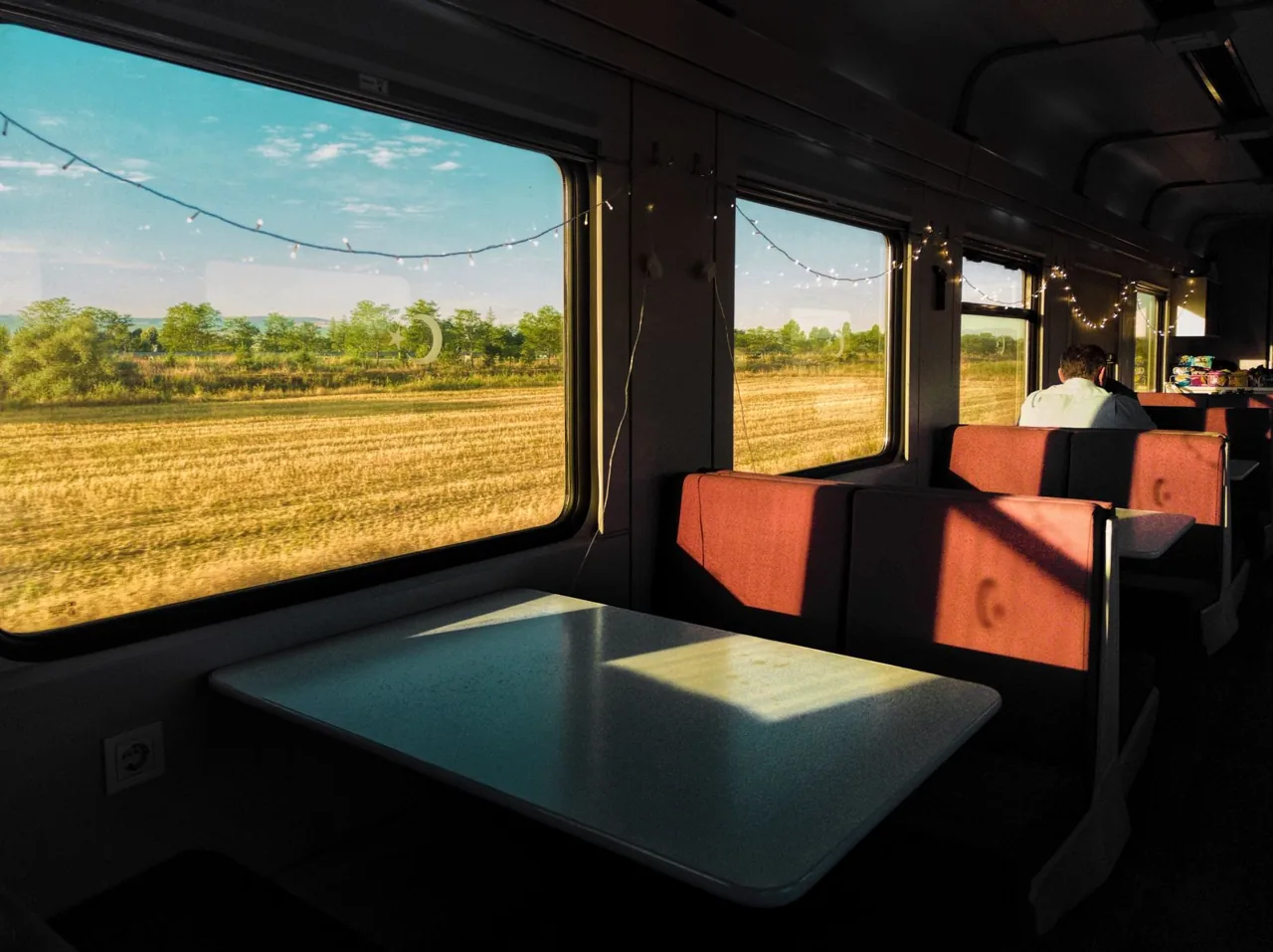
Slow travel is not about moving at a snail's pace. It is about giving a place enough time to become real to you.
The first time I travelled slowly it was by accident. A cancelled connection left me stranded in a small town for three days with nothing to do, and by the end of it I knew the baker's name, the best bench for morning sun, and which trattoria did the good gnocchi on Thursdays. I had seen none of the region's famous sights and I had never felt more like I understood a place. That accident became a philosophy.
Do less, on purpose
Slow travel means resisting the urge to cram. A week in one town beats a week racing through five, because the fifth town blurs into the fourth and you come home exhausted, clutching photographs of places you barely remember. When you stay put, patterns emerge: the café that is quiet at ten, the market that comes alive on Saturday, the walk that is best at dusk. You stop being a spectator and start, however briefly, to belong.
Travel low and slow
How you move matters as much as how long you stay. Trains, ferries and bicycles keep you at ground level where the changes between places make sense, and there is a whole movement built around the idea that the journey should be part of the destination rather than something to be endured. I have written before about my love of a slow train with a window seat and nowhere to be; publications like Lonely Planet have long championed this same unhurried way of getting around, and once you try it, the airport dash starts to feel faintly absurd.
Leave room for nothing
The hardest part of slow travel, especially for anyone raised on efficiency, is learning to leave gaps in the plan. An afternoon with nothing scheduled is not wasted time — it is the space where the trip actually happens, where you stumble on the festival nobody told you about or simply nap in the shade and wake up happy. Book the flights, book the first night, and then be brave enough to leave the rest blank. The best days rarely appear on any itinerary.
●